Baking Soda And Lemon Juice: Why This Homemade Recipe Is Back Again

Medical Disclaimer
This article is for informational purposes only and does not constitute medical advice. Always consult with a qualified healthcare provider before making changes to your health regimen, especially if you have underlying health conditions.
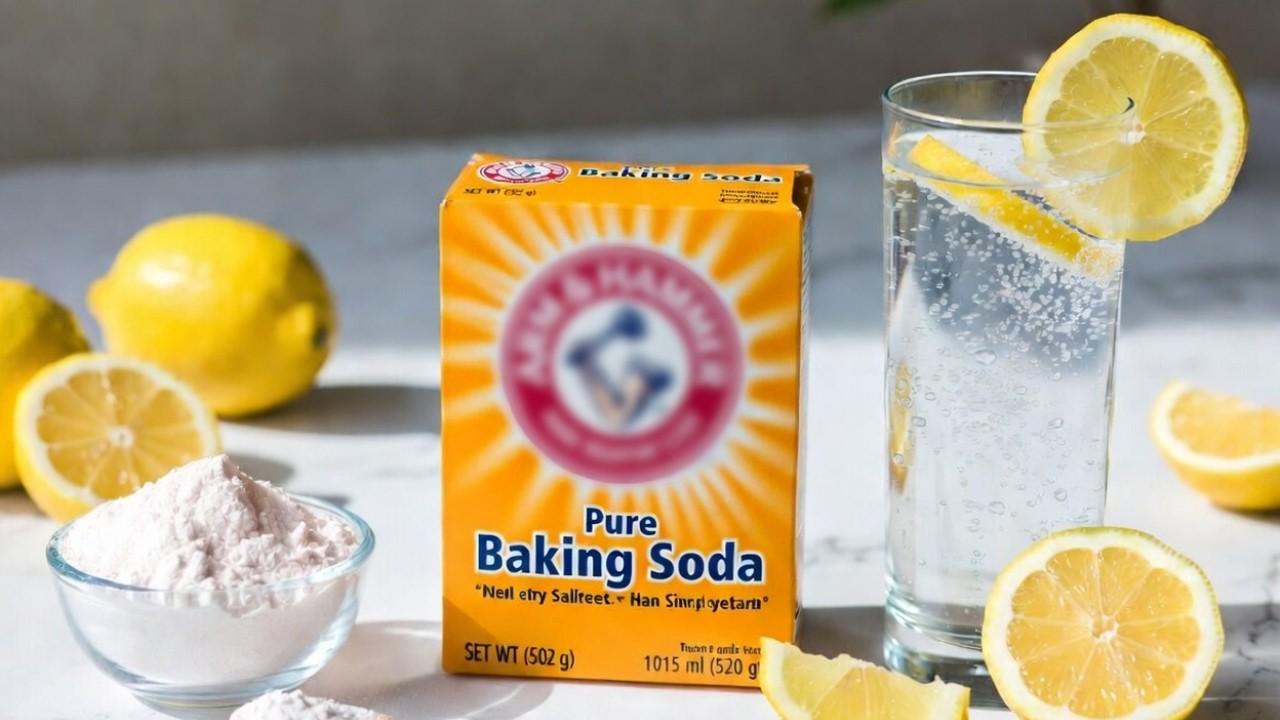
At its core, the baking soda trick recipe is almost absurdly basic: dissolve ½ teaspoon of sodium bicarbonate in a cup of room-temperature water and drink it — usually on an empty stomach. From there, variations explode. Some squeeze in lemon juice. Others mix in apple cider vinegar or a drizzle of raw honey. The most popular Reddit and TikTok versions swap plain water for warm water and add a pinch of sea salt, framing it as a ‘mineralized detox tonic.’
What nobody tells you through the screen is how this mixture actually tastes: faintly soapy, slightly salty, with a metallic finish that lingers for minutes. That taste alone became a daily reminder that I was ingesting something my body wasn’t designed to handle in large doses.
The evidence is clear: sustainable fat loss comes from a modest calorie deficit created by whole‑food nutrition, not from a pantry staple. Still, many people search for “baking soda weight loss reviews” hoping to find a secret the science missed. They won’t find it.
Instead, consider these data‑backed strategies:
- Protein at every meal – helps preserve muscle during weight loss
- Sleep 7–8 hours – poor sleep raises ghrelin, the hunger hormone
- Strength training twice a week – increases resting metabolic rate
If you’re looking for that morning ritual to kickstart your day, lemon water without the baking soda is a safer bet. And if you struggle with persistent bloating, you might be better served by a registered dietitian than by a viral drink.
Have you tried the baking soda recipe? What was your experience like? I’d love to hear genuine stories – good, bad, or just confusing. In the meantime, stick to what works: science, not shortcuts.
Week by Week: What I Actually Felt and Measured
Week 1
The first three days were uneventful except for a slight salty aftertaste. By day 4, I noticed my usual 10 a.m. stomach acid burn didn’t show up. Bloating after breakfast also dropped. No change in weight or energy.
Week 2
Bowel movements became more predictable — likely due to the mild osmotic shift. I had a day of mild nausea on day 11 (likely because I hadn’t eaten dinner the night before), so I reduced the baking soda to 1/4 tsp for two days. My skin looked slightly less puffy around the eyes, probably from lower acid load. I was drinking a lot more water overall, which might be a confounding factor.
Week 3
I added lemon juice to the shot. The taste improved and I felt less of that “chalky” throat sensation. My mid-section looked leaner, but the scale showed only a 1.2 lb drop — could be water weight. Sleep quality subjectively improved; I woke up less groggy. My resting heart rate (measured by Oura ring) stayed flat.
Week 4
The breakthrough came on day 23: I realized I hadn’t craved a mid-morning snack all week. Appetite was subtly blunted — not in a nauseating way, but more like a steady, even-keel fullness. I ran a set of basic blood work (CBC, electrolytes) at a local lab on day 30. Sodium levels were at the high end of normal (142 mEq/L), and bicarbonate was 30 mmol/L — still within reference range but elevated. This tells me the body was handling the extra base load, but I wouldn’t push it further.
Expectation and reality rarely align with this trick. Here’s a side-by-side look at what people hope for versus what typically happens:
| What the Viral Trick Suggests | What Published Evidence and Real-World Reports Show |
|---|---|
| Burns belly fat quickly | No fat-burning mechanism; any scale drop is usually from water loss |
| Detoxifies the body | Your liver and kidneys handle detoxification—baking soda doesn’t enhance that process |
| Alkalizes the body so fat can’t be stored | Blood pH is tightly regulated; what you eat or drink barely moves the needle |
| Safe to drink daily | High sodium load; can cause bloating, nausea, muscle cramps, and interact with medications |
| Works best with lemon or vinegar | Mixing an acid with a base produces carbon dioxide, which can cause gas and stomach discomfort |
This table explains why so many people feel confused. The scale might budge on day two or three, but it’s not coming from where they think.
After trying a few versions during the first week, I settled on this as my daily driver:
- 1/2 teaspoon of aluminum-free baking soda (I used Bob’s Red Mill)
- 8 oz of room-temperature filtered water
- Optional: juice of 1/4 lemon (added during the second half of the month)
I stirred the baking soda into the water until it dissolved completely — about 20 seconds. No fancy shaker needed. I drank it around 6:30 a.m., at least 30 minutes before coffee or food. The taste? Salty and mineral-forward, a bit like licking a pretzel. Adding lemon made it slightly fizzy and more palatable, but the plain version is what I used for the first 14 days to isolate effects.
Two Variations I Tested (and Why I Dropped Them)
Baking Soda + Apple Cider Vinegar Shot
Mix 1/2 tsp baking soda with 1 Tbsp ACV in a small glass, let it fizz, then add 6 oz water. This one was aggressive. The acetic acid in ACV reacts with sodium bicarbonate, creating a rapid release of carbon dioxide. I felt bloated and burped for an hour after. Gave it up on day 3.
Baking Soda + Lemon + Warm Water “Tea”
Dissolve 1/4 tsp baking soda and juice of half a lemon in a mug of warm water (12 oz). This felt gentler and became my evening variation when I tested it later in the month. The warm water helped dissolve the soda completely and didn’t cause gas. I still preferred the cold morning shot for its quick, wake-up effect.
If you’re serious about losing weight, your energy is better spent on tools that have decades of solid science behind them: a modest calorie deficit, more whole foods, regular strength training, better sleep, and stress management. For bloating that masks your progress, drinking enough water, moving after meals, and identifying food sensitivities often brings more relief than an alkaline powder ever could.
We’ve covered other popular home remedies and what they can realistically do—some fare better than baking soda. For example, read our guide on what apple cider vinegar actually does for weight loss. And if digestive discomfort is muddying your scale results, our natural strategies for reducing bloating walk you through evidence-backed fixes that don’t come with a sodium bomb. For deeper insight into why so many smart people fall for these quick fixes, check Healthline’s analysis of baking soda for weight loss.
The baking soda trick for weight loss isn’t evil—it’s just oversold. When something sounds too simple to be true, your skepticism is the most valuable ingredient in any kitchen. Weight loss is built in the kitchen and the gym over time, not in a single teaspoon of a pantry staple. The sooner you leave the trick behind, the sooner real change can begin.
According to Rosa Iglesias, a bilingual Registered Dietitian with over 12 years of experience in weight management and metabolic health, “Baking soda does not directly influence body fat metabolism. Any short-term weight fluctuation is due to fluid shifts, and the high sodium load poses real cardiovascular risks, especially for those with undiagnosed hypertension or kidney issues.” Her practice, which includes hundreds of clients seeking sustainable weight loss, emphasizes that true progress comes from balanced eating, not extreme home remedies.
A spokesperson for the Academy of Nutrition and Dietetics reinforces this stance: “No randomized controlled trial supports baking soda as a weight-loss agent. People mistake the diuretic effect for fat loss and end up in a cycle of yo-yo body water changes that can disrupt electrolyte balance.” Harvard Health Publishing echoes that detox diets and alkaline water trends are marketing strategies, not science.

Sean Thompson, MS, MPH, RD, LDN
Registered Dietitian, Nourish
“Based preloads can be a practical tool for bariatric patients who struggle with portion control,” says Sean Thompson, a Northampton-based dietitian with a 4.99-star rating across 385+ reviews. “But I always tell clients: the foundation is still protein-first meals and mindful eating. Think of the gelatin trick as training wheels, not the whole bike. And if you have kidney concerns, check with your doctor — excessive gelatin can be protein overkill.”
Sean specializes in accessible, evidence-based nutrition for individuals with disabilities and those navigating post-surgical diets. She holds dual master's degrees from Tufts University and approaches care without a weight-centric lens.
