Baking Soda Shot For Weight Loss: The Homemade Drink Everyone Is Trying

Medical Disclaimer
This article is for informational purposes only and does not constitute medical advice. Always consult with a qualified healthcare provider before making changes to your health regimen, especially if you have underlying health conditions.
What is the baking soda recipe for weight loss? It typically involves diluting 1/2 teaspoon of baking soda in 1–2 cups of water and consuming the mixture on an empty stomach — sometimes with a squeeze of lemon or a splash of apple cider vinegar. Despite millions of social-media views and persistent claims of rapid fat burning, no randomized controlled trial has ever confirmed that this practice causes meaningful weight loss.
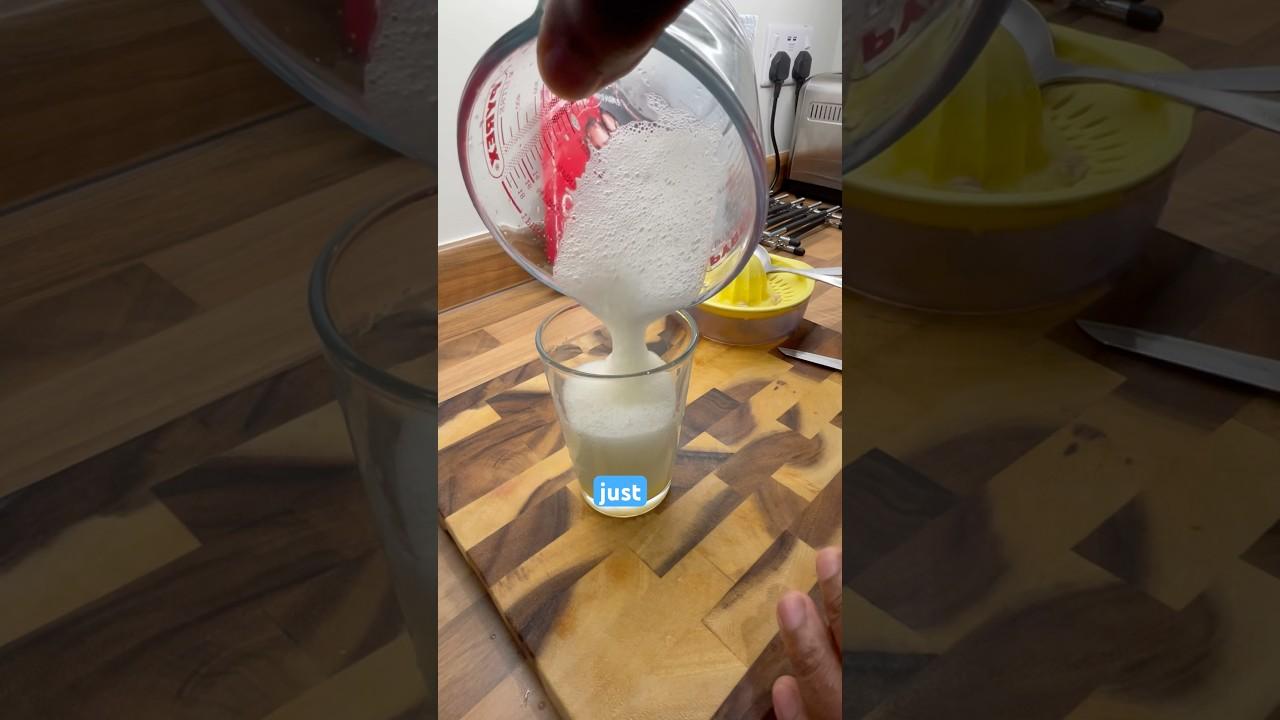
Users urgently searching for “what is the baking soda recipe for weight loss” usually want two things: the exact formula and a straight answer on whether it works. The most shared version — the lemon baking soda shot — calls for 1/4 to 1/2 teaspoon of sodium bicarbonate in 8 ounces of water plus the juice of half a lemon, taken no more than once a week. Another popular twist is the apple cider vinegar baking soda drink, which adds raw ACV to the mix. Both are aggressively marketed as alkaline water for weight loss hacks, but their physiological basis is widely misunderstood.
Expectation and reality rarely align with this trick. Here’s a side-by-side look at what people hope for versus what typically happens:
| What the Viral Trick Suggests | What Published Evidence and Real-World Reports Show |
|---|---|
| Burns belly fat quickly | No fat-burning mechanism; any scale drop is usually from water loss |
| Detoxifies the body | Your liver and kidneys handle detoxification—baking soda doesn’t enhance that process |
| Alkalizes the body so fat can’t be stored | Blood pH is tightly regulated; what you eat or drink barely moves the needle |
| Safe to drink daily | High sodium load; can cause bloating, nausea, muscle cramps, and interact with medications |
| Works best with lemon or vinegar | Mixing an acid with a base produces carbon dioxide, which can cause gas and stomach discomfort |
This table explains why so many people feel confused. The scale might budge on day two or three, but it’s not coming from where they think.
If the baking soda recipe doesn’t work, what does? Registered dietitians recommend focusing on sustainable nutrition patterns rather than alkaline quick fixes. A balanced approach includes adequate protein, a variety of vegetables, whole grains, and healthy fats — all of which support satiety and metabolic health without dangerous side effects.
Structured meal timing, mindful eating, and consistent physical activity remain the cornerstones of safe weight loss. For those seeking a morning ritual, a glass of plain water with freshly squeezed lemon is a zero-sodium alternative that supports hydration without the risks. Weight loss is a marathon, not a sprint, and no single ingredient will outrun a poor overall diet.
In summary, the question what is the baking soda recipe for weight loss leads to a viral but scientifically unsupported practice that trades short-term illusion for long-term health risks. If weight loss is your goal, partner with a qualified professional and build a plan rooted in evidence — not TikTok trends.
Ignoring the science is one thing. But regularly drinking baking soda can actually hurt you.
The University of Maryland’s food safety research warns that high sodium intake from baking soda may stress the kidneys and raise blood pressure. Just half a teaspoon contains about 629 mg of sodium – roughly 27% of the daily recommended limit. If you’re already on a sodium‑restricted diet or have hypertension, this is a serious concern.
Other documented side effects include:
- Bloating and gas
- Stomach cramping
- Electrolyte imbalances (especially if combined with diuretics)
- Reduced effectiveness of certain medications
- After 30 days, I’d call this a useful tool in the digestive toolkit — not a weight loss hack. It cost me roughly 2 cents per dose and gave me about 30-40% less morning heartburn, less post-meal bloating, and a subtle appetite-suppressing effect. But the high sodium load and the risk of metabolic alkalosis (if overused) are real. I’m keeping it in rotation a few days a week, mainly when I feel acidy or puffy.
If you’re curious, start with the basic baking soda shot recipe I shared (1/4 tsp in 8 oz water, no lemon) for a week and journal how you feel. Don’t expect the scale to move dramatically. Pay attention to digestion, energy, and whether you’re replacing junk calories. That’s where the real value might be hiding.
For more grounded takes on home remedies that actually make a difference, check out our guide to alkaline eating — not the fad version, but the real-food approach that helped me keep inflammation down alongside this experiment.
Can baking soda help me lose belly fat specifically?
No. There is no evidence that baking soda targets belly fat or any other specific fat deposit. Spot reduction isn’t possible with any food or drink; fat loss occurs systemically and only through a consistent calorie deficit.
Is it safe to drink baking soda every day?
For most people, no. Daily ingestion exposes you to excess sodium and can disrupt the body’s acid-base balance. Those with heart conditions, kidney issues, or high blood pressure are at higher risk and should avoid it entirely without medical guidance.
What happens if I accidentally use too much baking soda?
Overdosing can cause vomiting, diarrhea, muscle spasms, and severe electrolyte imbalances. If you experience chest pain, confusion, or trouble breathing after ingestion, seek emergency medical help immediately.
Does mixing baking soda with apple cider vinegar make it more effective for weight loss?
No. The combination creates carbon dioxide gas and sodium acetate, neither of which aids fat loss. The fizz might make the drink feel more “active,” but it doesn’t unlock any hidden metabolic benefit. In fact, the gas can cause uncomfortable bloating and belching.
If your goal is genuine fat loss, shift your focus from the baking soda water shot to evidence-based strategies that have stood up to rigorous study. Start with a protein-rich breakfast to stabilize blood sugar and reduce cravings. Incorporate fiber from vegetables, legumes, and whole grains. Hydrate mainly with water or unsweetened tea. When you want a morning drink that supports metabolism, try a simple glass of warm water with a squeeze of lemon—no baking soda needed—or a green tea rich in catechins. Pair these habits with strength training twice a week and a daily walk. These methods don’t promise miracles overnight, but they deliver cumulative, lasting results without the serious side effects of high-dose sodium bicarbonate.
For those who feel drawn to the communal aspect of viral challenges, consider joining a reputable wellness community or enlisting the guidance of a registered dietitian. Rosa Iglesias, RD, notes that “Clients who have tried the baking soda trick often feel discouraged when the scale rebounds. What finally helps them is a personalized plan that doesn’t feel like punishment—one that allows flexibility, cultural foods, and realistic step-by-step changes.”
In summary, the baking soda recipe for weight loss promises an effortless shortcut but delivers only temporary water loss and a significant health gamble. True, sustainable weight loss comes from habits that support your body’s physiology rather than fight it.

Sean Thompson, MS, MPH, RD, LDN
Registered Dietitian, Nourish
“Based preloads can be a practical tool for bariatric patients who struggle with portion control,” says Sean Thompson, a Northampton-based dietitian with a 4.99-star rating across 385+ reviews. “But I always tell clients: the foundation is still protein-first meals and mindful eating. Think of the gelatin trick as training wheels, not the whole bike. And if you have kidney concerns, check with your doctor — excessive gelatin can be protein overkill.”
Sean specializes in accessible, evidence-based nutrition for individuals with disabilities and those navigating post-surgical diets. She holds dual master's degrees from Tufts University and approaches care without a weight-centric lens.
