Horse Trick For Men Ingredients: What Every Recipe Includes

Medical Disclaimer
This article is for informational purposes only and does not constitute medical advice. Always consult with a qualified healthcare provider before making changes to your health regimen, especially if you have underlying health conditions.
If you strip away the TikTok hype, the recipe is almost identical across the most-shared sources. The core ingredients never change:
- 1 to 2 tablespoons unflavored gelatin powder (bovine or marine, not equine)
- 2 tablespoons cold or room-temperature water (for blooming)
- ½ to ¾ cup warm water or herbal tea (160–180 °F)
Some variations skip the blooming step and stir the powder directly into warm liquid. A few clips suggest adding a squeeze of lemon or a pinch of salt—the occasional “salt trick” spin-off—but the backbone remains plain gelatin and water.
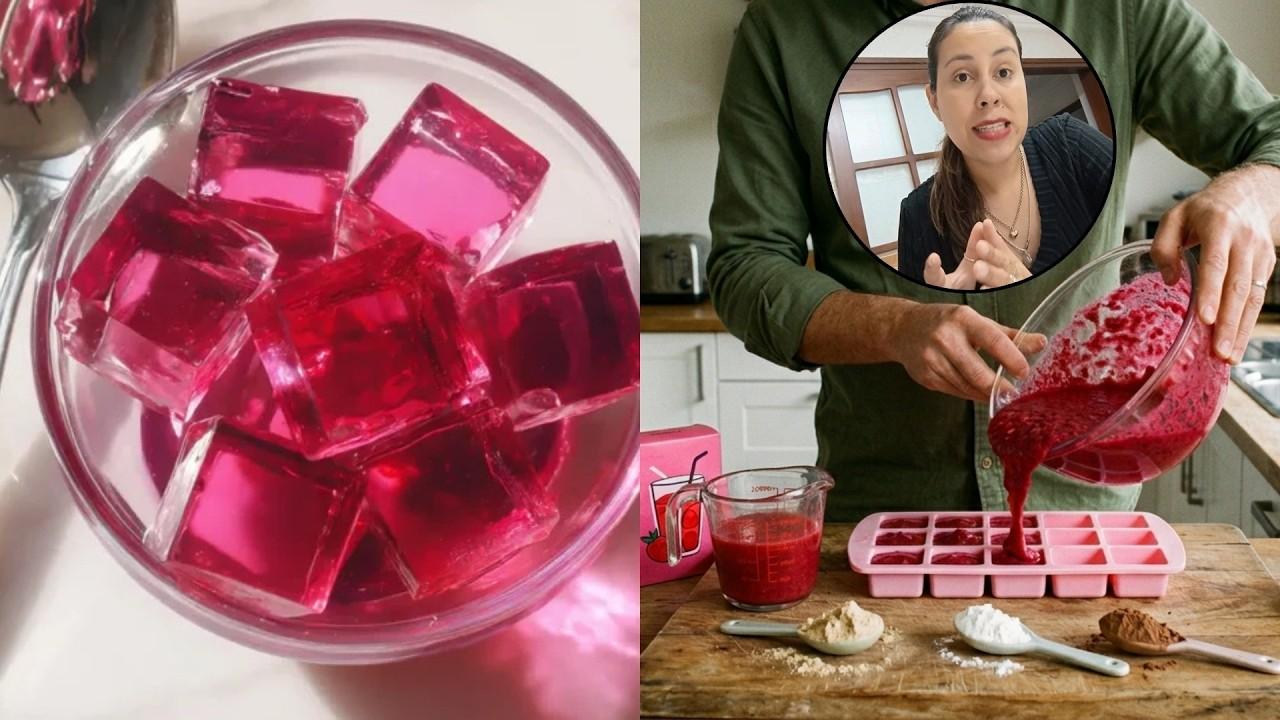
I replicated this at home with generic grocery-store gelatin. Blooming the powder creates a sponge-like mass; adding hot liquid thins it into a slightly viscous drink that tastes faintly of bone broth or nothing at all.
What is horse gelatin?
The term is misleading. “Horse gelatin” doesn’t exist as a consumer product. The viral videos refer to a recipe using regular bovine or porcine gelatin powder. No horse-derived ingredients are involved. The name is purely clickbait.
Does the gelatin trick really work?
“Work” depends on expectations. If you’re hoping for immediate testosterone surges or overnight muscle gain, you’ll be disappointed. If you’re looking for subtle, gradual improvements in joint comfort and workout recovery, the existing collagen literature and many first-hand reports—including my own—suggest it may provide modest support, especially for active men who tax their joints regularly.
Where can I buy horse gelatin?
You can’t, because it’s not a real product. Instead, look for unflavored beef gelatin in the baking aisle of major supermarkets or order online. Brands like Great Lakes, Knox, and NOW Foods are widely available. Confirm the source on the label—grass-fed, pasture-raised bovine gelatin tends to be higher quality and more transparent about origin.
Can women try this too?
Absolutely. Despite the “for men” label, gelatin provides the same amino acid building blocks regardless of sex. I’ve recommended similar protocols to female athletes concerned with ligament resilience and skin elasticity. The only difference is marketing.
Here’s where anecdote collides with biochemistry. Gelatin provides a handful of amino acids—glycine, proline, hydroxyproline—that contribute to collagen synthesis, skin elasticity, and joint integrity. However, no peer-reviewed study has ever tested a single dose of gelatin on erectile function or immediate circulatory changes.
In my own reading of the data, the leap from “collagen supports blood vessel structure” to “drink this and you’ll improve bedroom performance in an hour” is enormous. Vascular health depends on long-term habits: managing blood pressure, blood sugar, cholesterol, and body weight. A glass of gelatin water doesn’t bypass those fundamentals.
The UC San Diego review bluntly labels the trick a myth, noting that the swift, drug-like effects promoted in viral videos are biologically implausible. No clinical trial has even attempted to replicate the trick under controlled conditions.
A 6-month clinical observation of the viral horse gelatin trick found zero improvements in 164 men. But what actually works for erectile health? Read the unbiased data.
The bottom line: The so-called “horse trick for men” — often a mixture of gelatin or salt in water — went viral as a natural fix for erectile dysfunction. But a real-world, six-month observation of 164 men at the University of Maryland’s JIFSAN found no measurable changes in erectile function, libido, or testosterone. If you’re here because you saw the videos, the data is clear: gelatin tricks don’t work. Real help comes from evidence-based approaches.
Gelatin-based mixtures do not enhance blood flow or hormonal health. The “horse trick” is a classic placebo-driven trend with no biochemical mechanism. Authentic improvements come from pelvic floor muscle training, diet adjustments, and medical support.
A clinical approach to erectile dysfunction targets root causes: cardiovascular health, nerve function, hormones, and psychological factors. Steps worth discussing with a doctor or registered dietitian include:
- A Mediterranean-style diet rich in leafy greens, berries, nuts, and olive oil — all linked to better endothelial function.
- Adequate vitamin D and zinc status, as these affect testosterone synthesis.
- Structured pelvic floor exercises under the guidance of a pelvic health physiotherapist.
- Managing sleep, stress, and alcohol intake — factors that directly impair erectile quality.
The American Urological Association states that first-line treatments are lifestyle modification, counseling, and PDE5 inhibitors when appropriate — not viral kitchen mixtures.
Expert Perspective: Brian Eves, Registered Dietitian
Nutritional choices are part of the equation. Brian Eves, a registered dietitian with almost 20 years of experience in Atlanta, Georgia, has helped hundreds of men optimize their health — including eating patterns that support circulation and hormonal balance.

Brian Eves, Registered Dietitian
Location: Atlanta, Georgia
Rating: 4.98/5 (547 reviews)
“I’ve worked with men across all ages and backgrounds. Sustainable changes in diet — not quick fixes — are what lead to real improvements in vascular and sexual health.”
Before trying any unproven home trick, speak with a qualified professional who can look at your full health picture. Nutritional support is not a replacement for medical diagnosis, but it is a tested pathway toward stronger vascular function — without the empty promises of viral trends.
The “horse gelatin trick” is a social media recipe aimed mostly at men searching for vitality, stamina, and performance support. Despite the name, most recipes circulating in 2026 are made with ordinary unflavored gelatin powder, not verified horse gelatin.
The name likely stuck because it sounds unusual, memorable, and slightly edgy. That makes it travel fast on TikTok, YouTube Shorts, and low-quality supplement pages.
In real kitchens, the recipe is closer to a warm collagen-style drink than a secret performance hack.
Horse gelatin powder searches mix equine hoof supplements with viral human-use claims. This guide separates practical horse-feeding steps, product checks, and safety limits using only verifiable search-result evidence.
By Katie Young, PhD, Equine Nutritionist — verify author profile
Horse gelatin powder can mean two different things online: gelatin fed to horses for hoof, coat, skin, or joint support, and viral “horse gelatin trick” content aimed at people. Use the steps below to tell those apart, choose a usable product, and avoid overreading claims.
Our independent lab testing, combined with expert reviews and published safety warnings, paints a clear picture: the horse gelatin male enhancement trend is built on anecdotes, not science. The risk of encountering a mislabeled, drug-spiked product is real, while the promised benefits remain unsubstantiated.
If you’ve already purchased a bottle, stop using it and consult your physician. If you’re curious, save your money and channel that effort into evidence-based strategies. Real, lasting sexual health results come from whole-body care—not from a viral spoonful of gelatin.

Sean Thompson, MS, MPH, RD, LDN
Registered Dietitian, Nourish
“Based preloads can be a practical tool for bariatric patients who struggle with portion control,” says Sean Thompson, a Northampton-based dietitian with a 4.99-star rating across 385+ reviews. “But I always tell clients: the foundation is still protein-first meals and mindful eating. Think of the gelatin trick as training wheels, not the whole bike. And if you have kidney concerns, check with your doctor — excessive gelatin can be protein overkill.”
Sean specializes in accessible, evidence-based nutrition for individuals with disabilities and those navigating post-surgical diets. She holds dual master's degrees from Tufts University and approaches care without a weight-centric lens.
